Laudato Si Research Institute honours student agroecology projects with inaugural Henri de Laulanié Prize
June 24, 2026
Student-led agroecological initiatives from Kenya, Indonesia and Mexico have been recognised through the inaugural Henri de Laulanié Prize, presented by the Laudato Si’ Research Institute (LSRI)'s Integral Ecology Research Network and the Downforce Trust.
Named after Jesuit priest, Fr Henri de Laulanié SJ, whose pioneering work on the System of Rice Intensification transformed rice cultivation around the world, the prize celebrates projects that combine ecological sustainability, social impact and practical innovation.
The winning projects will be showcased during the final Down to Earth Dialogue of the academic year on 25 June, hosted online by the Laudato Si’ Research Institute. You can sign up for that here.
Bringing together students from around the world, the event will offer an opportunity to hear directly from the finalists about their work and explore how agroecology can contribute to more just, resilient and sustainable food systems.
Formation and Systems Transformation Award
The Henri de Laulanié Prize for Formation and Systems Transformation (£2,000) has been awarded to the Tangaza University Laudato Si’ Farm in Kenya. Led by Susan Wanjiru Mwangi and fellow students at Tangaza University, the project combines agroecological food production with ecological education and student formation. The jury praised it as a scalable model that is helping to form a new generation of agroecological leaders.
Scalability and Impact Award
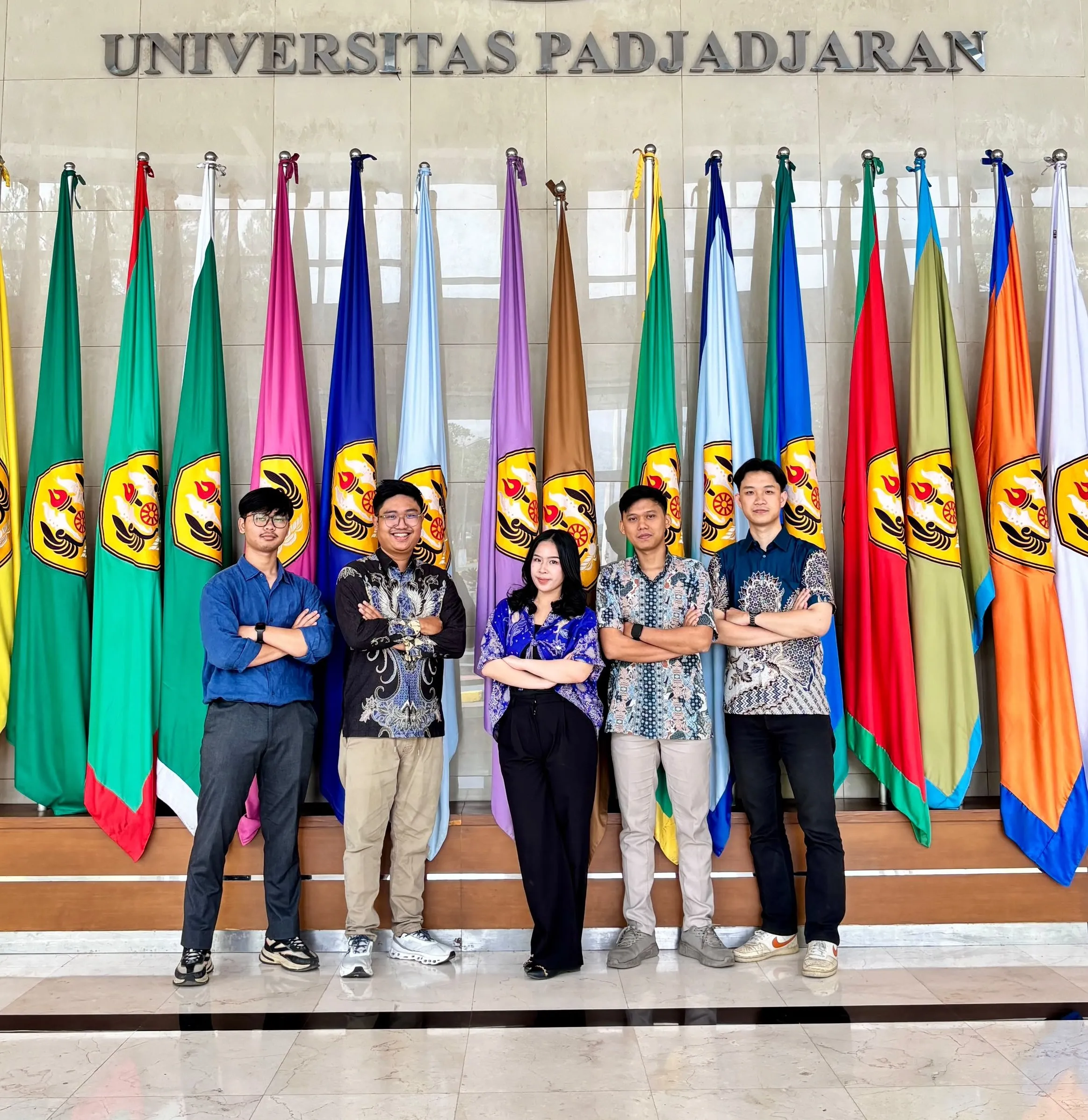
The Henri de Laulanié Prize for Scalability and Impact (£2,000) has been awarded to a team from Padjadjaran University in Indonesia. Working with farming communities in Tasikmalaya, the students have integrated microbial bioinoculants into the System of Rice Intensification, helping farmers improve productivity while reducing reliance on synthetic pesticides and fertilisers. Judges highlighted the project's strong evidence base and potential for wider adoption.
Social Transformation and Local Participation Award
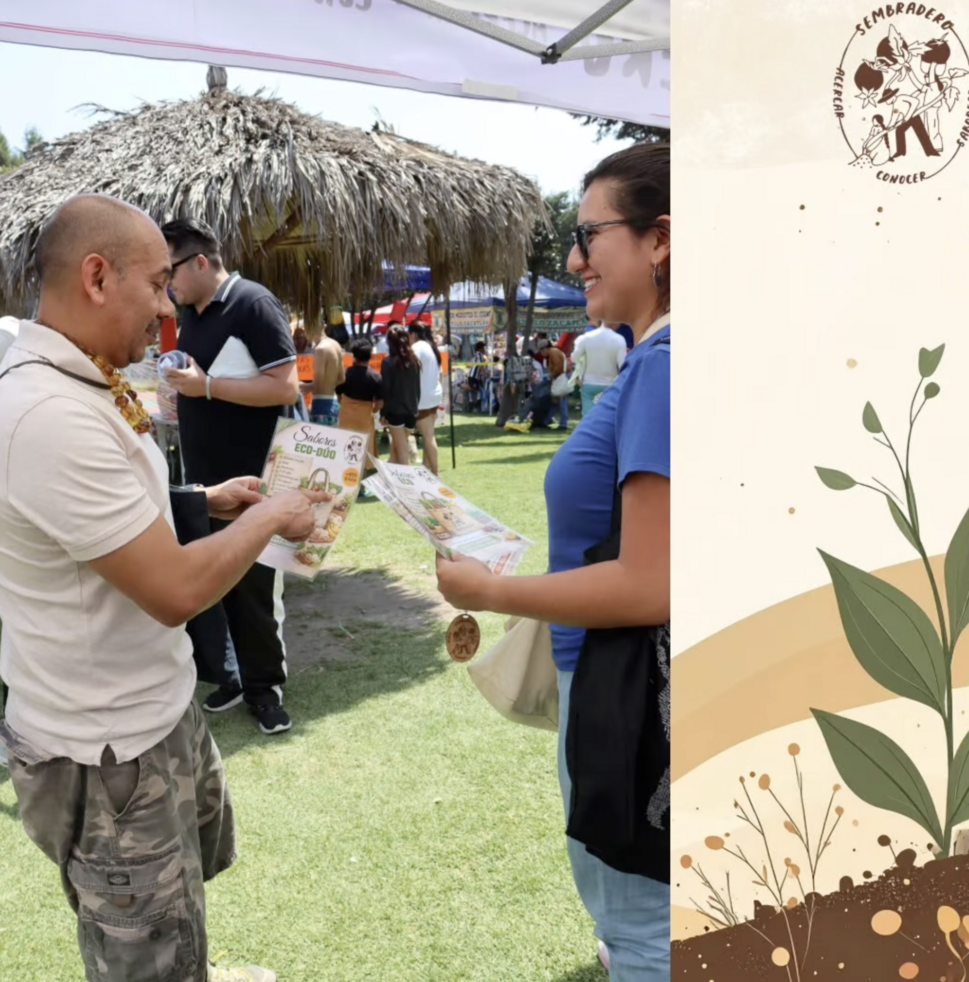
The Henri de Laulanié Prize for Social Transformation and Local Participation (£2,000) was awarded to Lizette Gutierrez of Universidad Iberoamericana, Mexico City, for Sembradero, a community-based agroecological network in the urban peripheries of the city. The initiative connects producers, cooperatives, artists and local communities through food and cultural projects, strengthening local economies while fostering participation, inclusion and community resilience.
Research and Innovation Recognition
Special recognition was also given to Circular Bioponic Systems for Safe and Nutritious African Indigenous Vegetables, a project led by Sr Monica Omondi, a PhD student at Egerton University in Kenya. By transforming livestock and fisheries by-products into nutrient solutions for growing indigenous vegetables, the project offers an innovative approach to reducing waste, lowering costs and improving access to nutritious food.
The prize was judged by an international panel representing the Integral Ecology Research Network, the Downforce Trust, SRI30, the Loving our Land and Neighbour Group, and the Laudato Si’ Action Platform. Together, the winning projects demonstrate how young people are putting the principles of integral ecology into practice, developing solutions that strengthen communities, improve livelihoods and care for our common home.



.jpg)