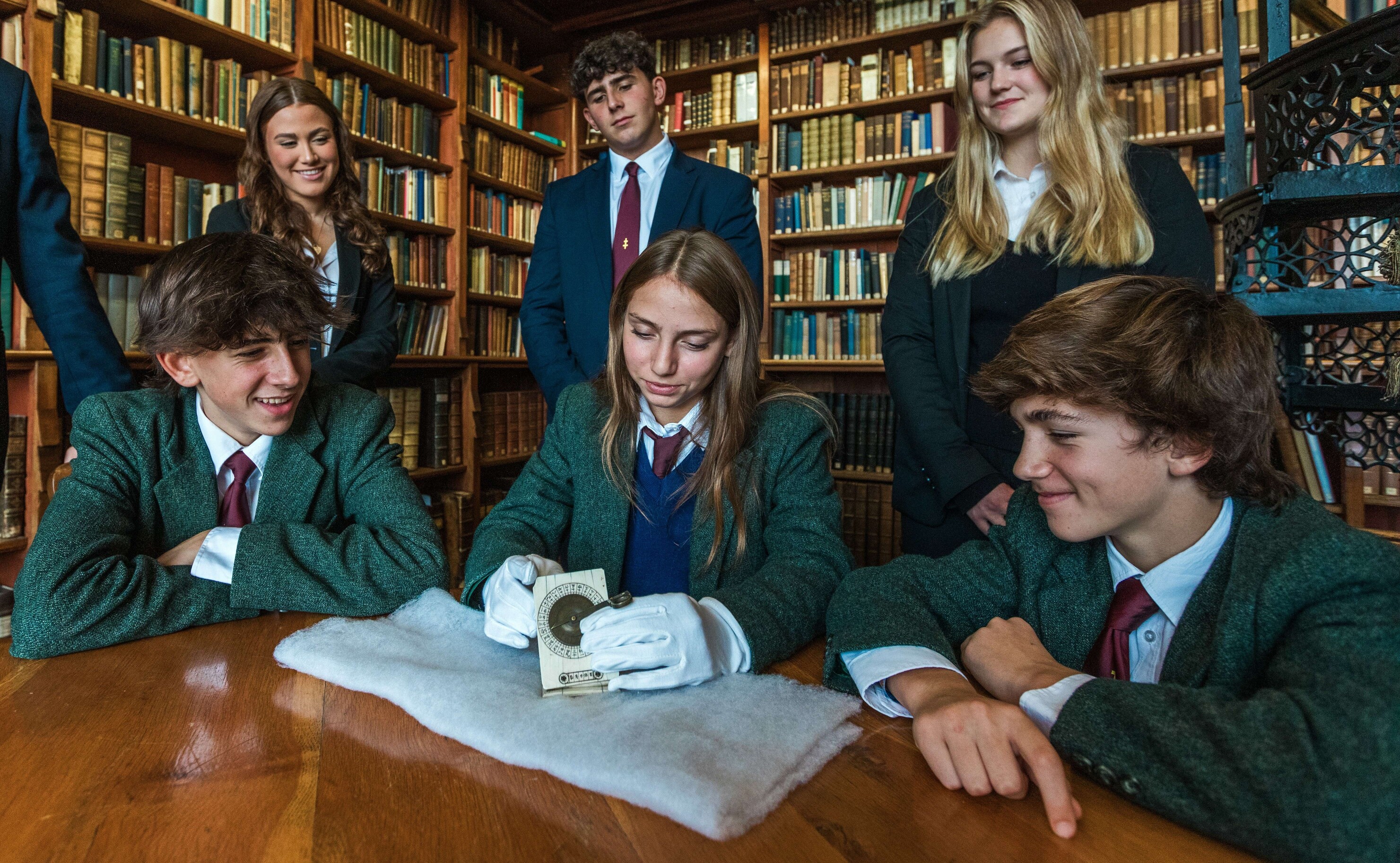
Campion Hall and LSRI host Integral Ecology Dialogue on the wisdom from bees
April 14, 2026
The Integral Ecology Dialogues are a termly series of live scholarly conversations designed to explore key themes in integral ecology through discussion and exchange. Set within the intimate and reflective surroundings of the Campion Hall library, the series offers a unique forum for intellectual engagement across disciplines.
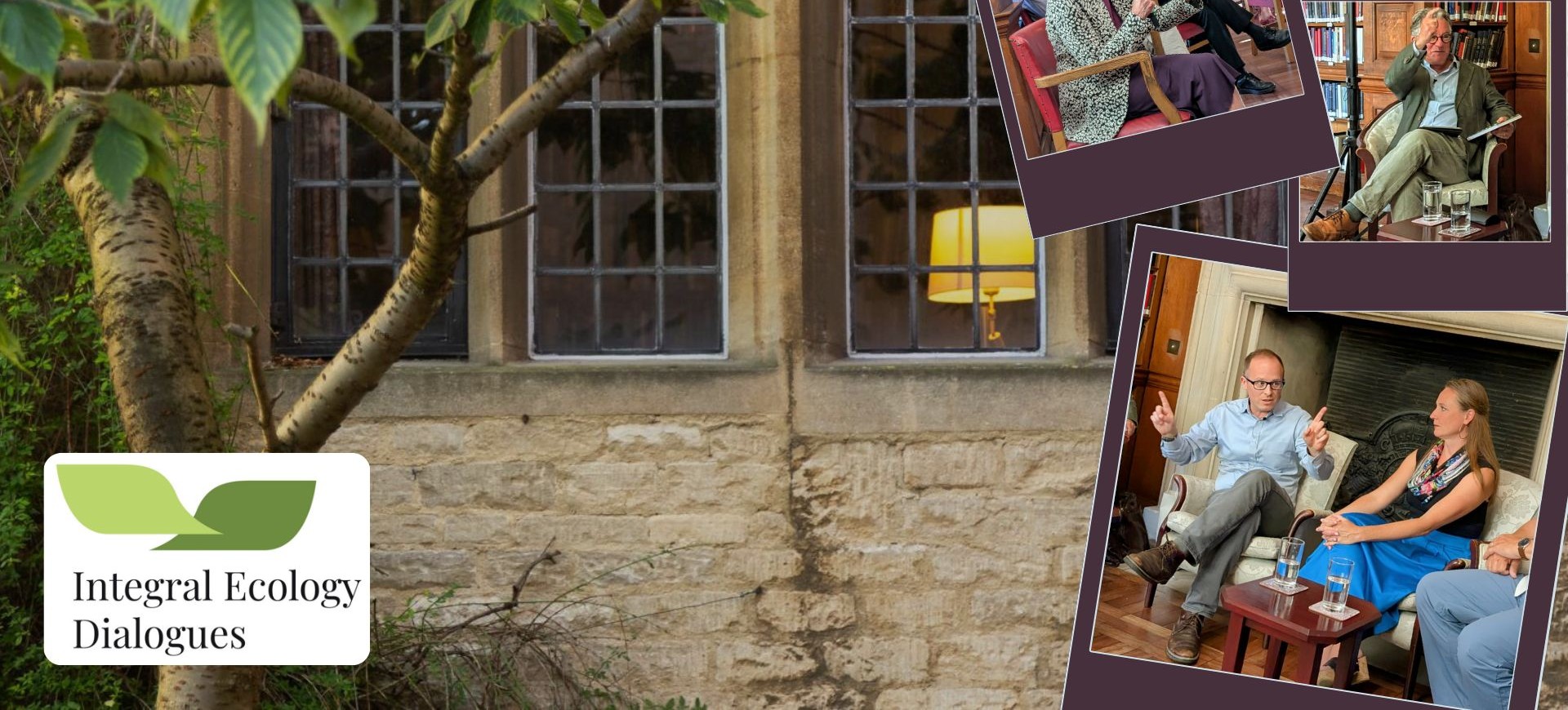
Held on Thursday 26 February by Campion Hall and the Laudato Si Research Institute, the latest dialogue focused on the ecological, cognitive, technological, political, and social insights which can be drawn from the lives of bees. The conversation featured acclaimed novelist and playwright Laline Paull (Fellow of the Royal Society of Literature) and Dr Peter Rožič, Director of the Integral Ecology Research Network (IERN), in discussion with Revd Dr Timothy Howles, Associate Director of the Laudato Si’ Research Institute (LSRI), Theologian and Research Fellow at Campion Hall.
The discussion explored how the life of bees can illuminate human questions of ecology, cognition, technology, and social organisation. Drawing on both scientific insight and symbolic meaning, the dialogue invited participants to consider how patterns within the natural world might inform more sustainable and cooperative human systems.
Dr Howles said:
“An integral ecology approach to bees means not just restricting oneself just, to say, biology, but to wider systems: economics, culture, human values as a whole. It means asking perhaps not ‘what can we do to save the bees?’ but rather, how our systems are interwoven with bees, and what sort of values underlie those.”
Integral ecology, rooted in Catholic social teaching and most fully articulated in Pope Francis’s encyclical Laudato Si’ (2015), emphasises the interconnectedness of environmental, social, economic, and spiritual life. It calls for an approach to ecological challenges that attends not only to the health of the natural world but also to the wellbeing of the poorest and most vulnerable. This holistic vision seeks to “hear both the cry of the earth and the cry of the poor,” and to foster forms of understanding and action that promote the flourishing of all life in our common home.
You can watch a short film with interviews from the participants below.

.jpg)