New translation by Michael Barnes SJ marks 60 years of Nostra Aetate
March 16, 2026
The 60th anniversary of Nostra Aetate, the Second Vatican Council’s declaration on the Church’s relationship with non-Christian religions, was marked with an event at St Mary’s University, Twickenham, on 9 March 2026. Titled Examining Nostra Aetate, the evening brought together theologians, church leaders and faith representatives to explore the document’s continuing relevance for interreligious dialogue.
“In the sixty years since that momentous day in the history of the Catholic Church, Nostra Aetate has become a charter for interreligious dialogue everywhere, used not just by Catholics and other Christians, but by other people of faith as well.”
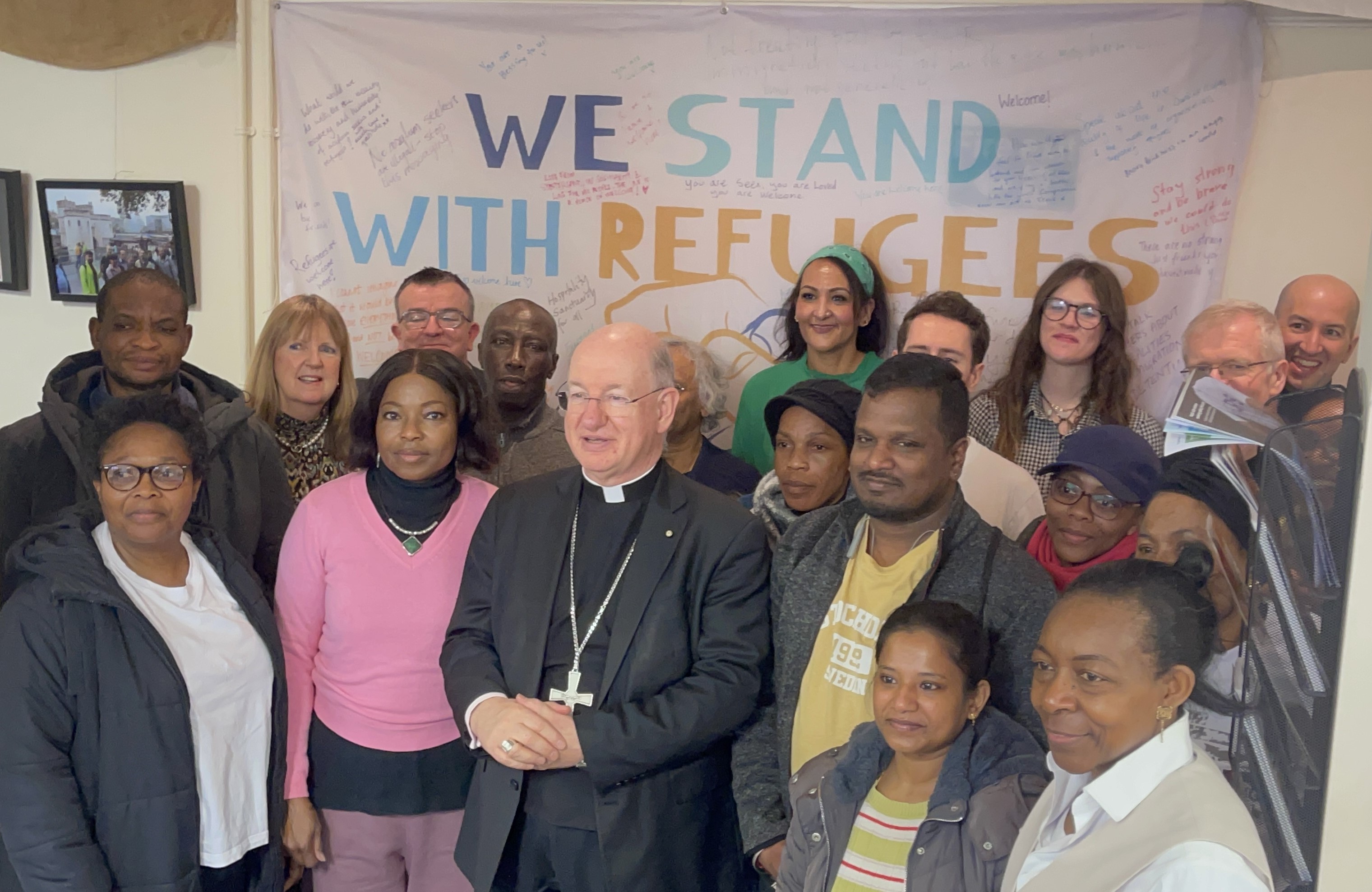
Professor Peter Tyler opened the event by acknowledging the contributions of the evening’s speakers to the reception of Nostra Aetate in the sixty years since its formal promulgation: Archbishop Kevin McDonald, chair of the Bishops’ Conference committee on other faiths, reflected on the Council’s renewed understanding of the Church’s engagement with other faiths, and Cardinal Michael Fitzgerald, former president of the Pontifical Council for Interreligious Dialogue, shared his own memories of the conciliar process in Rome.
The Vice-Chancellor, Professor Anthony McClaran, read citations recognising each speaker's lifelong contribution to interreligious relations. Archbishop Richard Moth, incoming Chancellor of the University, then presented both with the St Mary's Medal.
In offering a vote of thanks to the speakers and to St Mary’s for their hospitality, James Holland, a graduate of St Mary’s and Director of Westminster Interfaith, referred to the events that had preceded this celebration. In October, Fr Barnes gave three lectures on the history and significance of Nostra Aetate, culminating in a moving service of thanksgiving at Farm Street Church attended by more than 100 people from different faith traditions. Representatives of major faith traditions offered reflections, and Bishop James Curry, on behalf of the diocese, highlighted the ongoing significance of the declaration for Catholics and people of other faiths alike.
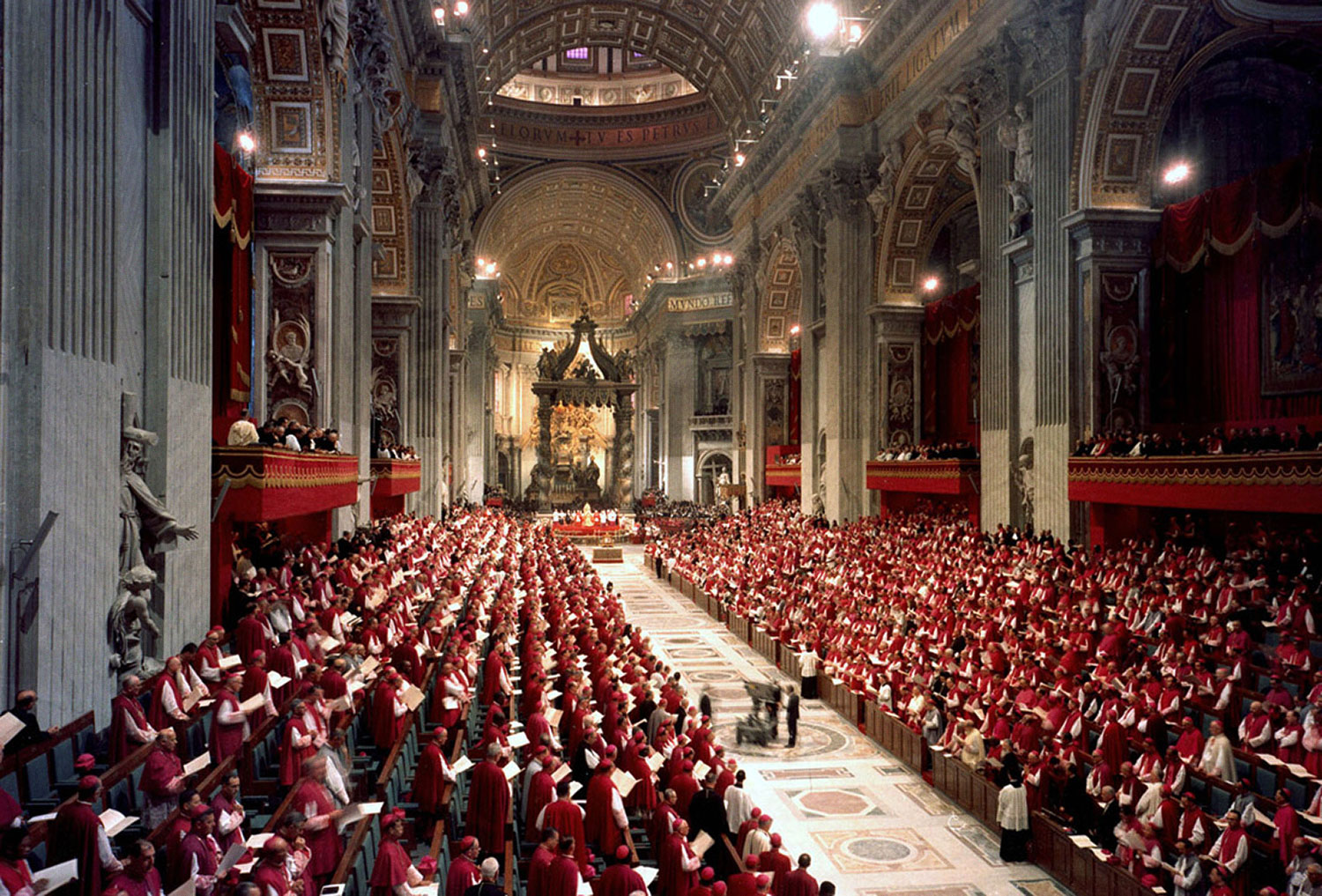
Originally promulgated on 28 October 1965 by Pope Paul VI, Nostra Aetate broke new ground. It rejected antisemitism and longstanding attitudes of contempt toward the Jewish people, while also recognising the truths and values present in other religions. The declaration exhorts the Church to engage with people of different faiths through “conversations and collaboration,” offering a framework for respectful and constructive dialogue.
Sixty years on, Nostra Aetate remains a guiding document for clergy, theologians, and anyone committed to dialogue across faiths. The combination of anniversary events and Fr Barnes’s translation underscores its lasting influence and the Church’s ongoing commitment to understanding, collaboration, and mutual respect between religious communities.